Are you tired of spending your free time cleaning the floors? Imagine a device that works quietly in the background, keeping your home spotless without you lifting a finger.
Robot vacuums and mops can make that a reality—but only if you choose the right one. Knowing what features to look for will help you pick a model that fits your lifestyle and keeps your floors cleaner than ever. Keep reading to discover the must-have qualities that will save you time, effort, and frustration every day.
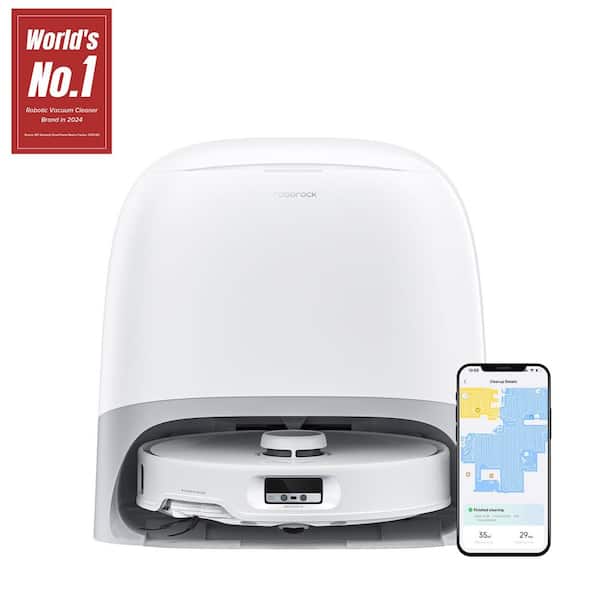
Basic Features To Look For In A Robot Vacuum
Robot vacuums have become popular tools for keeping floors clean with less effort. Choosing the right model means understanding the basic features to look for in a robot vacuum. These features help improve cleaning quality and user experience. This section covers essential functions that every robot vacuum should have.
Dirt Pickup
Dirt pickup is the main job of a robot vacuum. It needs to collect dust, hair, and small debris efficiently from different floor types. Look for vacuums with powerful suction and good brush designs.
- Suction power: Higher suction cleans better, especially on carpets.
- Brush types: Combination of rubber and bristle brushes works well on various surfaces.
- Edge cleaning: Side brushes help clean corners and edges.
- Filter quality: HEPA filters trap fine dust and allergens.
Here is a quick comparison of suction power and brush types:
| Feature | Basic Models | Advanced Models |
|---|---|---|
| Suction Power | 1000-1500 Pa | 2000-3000 Pa |
| Brush Type | Single rubber brush | Dual bristle and rubber combo |
| Edge Cleaning | One side brush | Two side brushes with adjustable angles |
Strong dirt pickup ensures the vacuum removes even stubborn dirt. This saves time and keeps floors truly clean.
Mopping
Mopping adds another layer of cleaning. Some robot vacuums also mop hard floors after vacuuming. This feature helps remove sticky stains and fine dust.
When choosing a robot vacuum with mopping, consider:
- Water tank capacity: Larger tanks cover more area without refilling.
- Adjustable water flow: Control water release for different floor types.
- Mopping pad material: Microfiber pads clean well and dry quickly.
- Separate vacuum and mop modes: Option to mop only or vacuum and mop together.
Some models have intelligent mopping. They avoid carpets and adjust water flow based on floor type.
Simple mopping can freshen floors, but it doesn’t replace manual deep cleaning. Still, it helps keep floors neat daily.
Self-emptying
Emptying the dustbin can be a hassle. Self-emptying robot vacuums solve this by automatically transferring dirt to a larger bin in the charging base.
Benefits of self-emptying robots:
- Less frequent emptying: Base bins hold dirt for weeks.
- Hygienic disposal: Reduces dust exposure during emptying.
- Time-saving: More hands-off cleaning.
Note that self-emptying models cost more and the base takes extra space. Also, replacement bags for the base add to running costs.
Weigh the convenience against price and space before choosing this feature.
Mapping
Mapping technology guides the robot vacuum to clean efficiently. It creates a floor plan of your home using sensors or cameras.
Advantages of mapping include:
- Systematic cleaning: Covers every area without missing spots.
- Custom zones: Set no-go areas or focus cleaning on specific rooms.
- Shorter cleaning time: Avoids repeated paths or missed corners.
Some robots use LIDAR for precise mapping, while others rely on cameras or infrared sensors. Higher-end models remember multiple floor plans for multi-story homes.
Good mapping makes robot vacuums more efficient and easier to control.
Noise Levels
Noise matters in a robot vacuum. Loud vacuums can disturb people and pets. Quiet models run smoothly in the background.
Typical noise levels range from 50 to 70 decibels:
| Noise Level (dB) | Effect |
|---|---|
| Below 55 | Very quiet, suitable for homes with children or pets |
| 55-65 | Moderate noise, acceptable for most users |
| Above 65 | Loud, may cause disturbance during use |
Look for vacuums with “quiet modes” or adjustable suction to reduce noise. This improves comfort during cleaning times.
Row-by-row Cleaning
Row-by-row cleaning means the robot vacuum cleans in straight lines, covering the floor evenly. This is better than random movement.
Benefits:
- Efficient coverage: No missed spots or repeated areas.
- Faster cleaning: Systematic paths reduce cleaning time.
- Better for larger spaces: Keeps the robot organized and focused.
Some robot vacuums use sensors and mapping to plan these paths. This feature improves cleaning performance and saves battery life.
A Good App
Modern robot vacuums connect to smartphone apps. A good app enhances control and customization.
Key app features include:
- Start/stop cleaning remotely
- Schedule cleaning times
- View cleaning maps and history
- Set no-go zones and room boundaries
- Receive alerts and maintenance reminders
Look for apps with simple interfaces and reliable connectivity. This makes managing your robot vacuum easy and stress-free.
Important Features In Robot Mops
Robot vacuums and mops have become popular tools for home cleaning. Their ability to clean floors automatically saves time and effort. Among these, robot mops stand out for their specific role in keeping floors spotless and fresh. Knowing the important features in robot mops helps choose the best model for your home. These features affect how well the mop cleans, how easy it is to use, and how it handles different floor types.
Water Tank Capacity
The water tank size in a robot mop is crucial. It controls how much water the mop can use before needing a refill. A larger tank means longer cleaning sessions without interruptions. This is good for bigger homes or areas with heavy dirt.
Consider these points about water tank capacity:
- Small tanks (100-200 ml) suit small rooms but need frequent refills.
- Medium tanks (200-400 ml) balance cleaning time and size well.
- Large tanks (400+ ml) are best for big spaces, reducing stops.
Here is a simple comparison table:
| Tank Size | Ideal Home Size | Refill Frequency |
|---|---|---|
| 100-200 ml | Small rooms | Often |
| 200-400 ml | Medium rooms | Moderate |
| 400+ ml | Large homes | Rare |
Choose a tank size that fits your cleaning area and habits. A good tank capacity means less hassle during cleaning.
Mopping Modes And Control
Robot mops offer different mopping modes to suit various cleaning needs. These modes control water flow, mop speed, and cleaning patterns. Having multiple modes allows you to adjust the mop for light cleaning or tougher stains.
Common mopping modes include:
- Wet mopping: Uses water to clean sticky or dirty floors.
- Dry mopping: For dust and light dirt without wetting floors.
- Scrubbing mode: Extra pressure and water for hard stains.
- Spot cleaning: Focuses on a small area with more intensity.
Control options also matter. Most robot mops connect to smartphone apps for easy mode switching. Some offer voice commands or remote controls.
Benefits of good control features:
- Customize cleaning based on floor dirt level.
- Schedule cleanings at convenient times.
- Switch modes without stopping the robot.
Check if the robot mop provides clear control and useful mopping modes. This adds flexibility and better cleaning results.
Floor Type Compatibility
Not all robot mops work well on every floor type. Some handle hardwood better, while others suit tile or laminate floors. Understanding floor compatibility ensures the mop cleans safely and efficiently.
Key floor types to consider:
- Hardwood: Needs gentle mopping to avoid water damage.
- Tile: Can handle more water and scrubbing.
- Laminate: Requires controlled moisture to prevent warping.
- Vinyl: Usually durable but sensitive to harsh cleaners.
Check product details for specific floor compatibility. Some mops have sensors to detect floor types and adjust water use automatically.
Choosing a robot mop with broad compatibility means less worry about damaging floors. It also ensures better cleaning quality on all surfaces.
Drying And Stain Removal
Effective drying after mopping prevents water marks and damage. Some robot mops include drying features to speed up floor drying. This is important for hardwood and laminate floors.
Look for these drying and stain removal features:
- Air drying: Fans or air blowers help dry floors faster.
- Heated drying: Uses gentle heat to evaporate water quickly.
- Scrubbing action: Helps lift tough stains from floors.
- Multiple passes: Mop passes over the same spot for better stain removal.
Good drying reduces slip risks and keeps floors looking clean. Strong stain removal saves time on manual cleaning later.
Refill And Cleaning Ease
Refilling water tanks and cleaning mop pads should be simple. Complex steps make maintenance frustrating and slow.
Important points for ease of use:
- Easy water tank refill: Tanks that detach or open wide speed refilling.
- Replaceable mop pads: Pads that snap on and off quickly save time.
- Machine washable pads: Allow reuse, reducing costs.
- Self-cleaning features: Some models rinse mop pads automatically.
Maintenance-friendly designs encourage regular use and keep the mop working well. Check how simple it is to refill and clean before buying.
Smart Connectivity And Controls
Smart connectivity and controls have become essential in modern robot vacuums and mops. These features allow users to manage cleaning tasks with ease and flexibility. Instead of manually operating the device, smart controls provide convenience and efficiency. They also enable better cleaning performance through precise management. Users can control the robot remotely, set cleaning modes, and receive notifications about the device’s status. This section explores three key aspects: app integration, voice assistant compatibility, and scheduling with customization options.
App Integration
App integration is a vital feature in robot vacuums and mops. Most models connect to a smartphone app via Wi-Fi. The app acts as a control center, providing multiple functions beyond simple start and stop commands.
- Remote control: Start, pause, or stop cleaning from anywhere.
- Real-time status updates: See the cleaning progress and battery level.
- Cleaning maps: View detailed maps of your home to track where the robot has cleaned.
- Zone cleaning: Select specific rooms or areas for targeted cleaning.
- Maintenance alerts: Get reminders to clean brushes or replace filters.
The app interface usually offers easy navigation and user-friendly controls. It allows you to adjust suction power or mop water flow levels. Many apps support multiple users, making it convenient for families. Below is a simple comparison of common app features:
| Feature | Basic Models | Advanced Models |
|---|---|---|
| Remote Start/Stop | ✔ | ✔ |
| Cleaning Maps | ✘ | ✔ |
| Zone Cleaning | ✘ | ✔ |
| Maintenance Alerts | ✔ | ✔ |
App integration transforms a robot vacuum into a smart device that adapts to your lifestyle. It offers control, information, and customization at your fingertips.
Voice Assistant Compatibility
Voice assistant compatibility enhances the ease of use for robot vacuums and mops. Popular voice assistants include Amazon Alexa, Google Assistant, and Apple Siri. Connecting your robot to these systems allows hands-free operation.
- Simple commands: Use phrases like “Start cleaning” or “Pause robot.”
- Integration with smart home: Control the robot alongside lights, thermostats, and other devices.
- Multi-room cleaning: Command the robot to clean specific rooms using voice.
- Status checks: Ask the assistant about battery life or cleaning progress.
Voice control works through the device’s app or direct Wi-Fi connection. Setting up voice assistants usually requires linking accounts and granting permissions. Some robots support routines that combine tasks, such as starting cleaning when you leave the house. Here is a quick overview of voice commands for common assistants:
| Voice Assistant | Common Commands | Unique Feature |
|---|---|---|
| Amazon Alexa | Start, Stop, Pause, Resume | Supports custom routines |
| Google Assistant | Start, Stop, Clean specific room | Works with Google Home ecosystem |
| Apple Siri | Start, Pause, Check status | Integration via HomeKit |
Voice assistant compatibility makes robot vacuum operation seamless, especially for busy or mobility-limited users. It adds convenience and fits into a connected home environment.
Scheduling And Customization
Scheduling and customization are key to making robot vacuums and mops fit your cleaning needs. Scheduling lets you set specific times for the robot to clean automatically. Customization allows adjustments to cleaning modes, areas, and frequency.
Scheduling features include:
- Multiple time slots per day or week.
- Different cleaning modes for each schedule (e.g., quiet mode at night).
- Ability to skip or cancel scheduled tasks easily.
Customization options often include:
- Adjusting suction power or mop water levels.
- Setting no-go zones or virtual barriers.
- Choosing specific rooms or zones for targeted cleaning.
These features help optimize battery use and reduce noise disruptions. For families with pets or allergies, scheduling cleaning after certain activities keeps floors cleaner. A well-designed app or remote control panel usually supports these settings. Below is an example of a weekly cleaning schedule:
| Day | Time | Mode | Area |
|---|---|---|---|
| Monday | 10:00 AM | Standard | Living Room, Kitchen |
| Wednesday | 2:00 PM | Quiet | Bedrooms |
| Friday | 9:00 AM | Max Suction | Whole House |
Scheduling and customization help keep your home clean without extra effort. They allow the robot to work around your lifestyle, creating a smoother cleaning routine.
Safety And Obstacle Handling
Robot vacuums and mops must be safe and smart to work well in your home. Safety and obstacle handling are key features that protect your furniture, floors, pets, and family. These machines should move around without bumping into things or falling down stairs. They also need to avoid small objects and keep children and pets safe. Choosing a model with strong safety features helps prevent damage and accidents. Understanding these features helps you pick the right robot vacuum and mop for your home.
Obstacle Detection Sensors
Obstacle detection sensors help the robot vacuum or mop avoid bumping into furniture, walls, or other objects. These sensors use infrared, laser, or cameras to sense the surroundings. They allow the device to navigate smoothly and clean efficiently without getting stuck.
Types of obstacle detection sensors:
- Infrared sensors: Detect objects by sending out infrared light and measuring reflections.
- Laser sensors (LiDAR): Create a detailed map of the room for precise navigation.
- Camera sensors: Use visual data to recognize obstacles and adjust the path.
Many robot vacuums combine these sensors to improve performance. Advanced sensors reduce collisions and help the device clean around furniture legs, cables, and toys without damage.
| Sensor Type | Function | Benefit |
|---|---|---|
| Infrared | Detects nearby objects | Prevents bumps and scratches |
| Laser (LiDAR) | Maps room layout | Improves navigation accuracy |
| Camera | Recognizes obstacles visually | Adapts path in real-time |
Cliff And Stair Protection
Cliff and stair protection sensors stop the robot from falling down stairs or ledges. These sensors work by detecting sudden drops below the robot. This feature is essential for homes with stairs or balconies.
How cliff sensors work:
- The sensor sends a signal downward.
- It measures the distance to the floor.
- If the floor drops suddenly, the robot stops or changes direction.
Without this protection, the robot could fall, causing damage to itself and your home. Most quality models include multiple cliff sensors around their base for full coverage.
| Feature | Purpose | Result |
|---|---|---|
| Cliff sensors | Detect ledges and stairs | Prevents falls and damage |
| Multiple sensors | Cover entire underside | Full protection on all sides |
Child And Pet Safety Features
Robot vacuums and mops must be safe around children and pets. These machines should avoid small toys, pet bowls, and curious fingers or paws. Many models include safety features to protect your loved ones.
Key child and pet safety features include:
- Soft bumpers: Reduce impact if the robot touches a child or pet.
- Quiet operation: Prevents startling pets or young children.
- Automatic stop: Pauses cleaning if lifted or tipped.
- Virtual boundaries: Blocks off areas where children play or pets eat.
- Non-toxic materials: Safe in case of accidental contact.
These features help keep your home safe and peaceful. They also prevent the robot from damaging pet toys or getting stuck on pet hair. Choosing a robot with these safety options ensures it fits well into family life.
Additional Features To Consider
Choosing the right robot vacuum and mop means looking beyond basic cleaning functions. Additional features enhance convenience, efficiency, and overall cleaning quality. These features often make a big difference in everyday use. They can support health, adapt to different floor types, and fit better into your living space. Understanding these extras helps pick a model that fits your lifestyle perfectly.
Hepa Filters And Allergy Support
HEPA filters are crucial for trapping tiny particles. These filters capture dust, pollen, pet dander, and other allergens. This makes the air cleaner and reduces allergy symptoms. For people with asthma or allergies, a robot vacuum with a HEPA filter is a smart choice.
Benefits of HEPA filters include:
- Improved air quality: Removes 99.97% of particles as small as 0.3 microns.
- Allergen reduction: Helps reduce sneezing, coughing, and skin irritation.
- Better cleaning results: Ensures trapped dust stays inside the vacuum, not released back into the air.
Some models combine HEPA filtration with sealed systems. This means no dust escapes, even during emptying. This feature is perfect for allergy sufferers. Check product details for filters certified as true HEPA.
| Feature | Benefits | Ideal For |
|---|---|---|
| HEPA Filter | Captures tiny allergens and improves air quality | People with allergies or asthma |
| Sealed Dustbin | Prevents dust leakage during disposal | Users sensitive to dust |
Multi-surface Adaptability
Robot vacuums that adapt to various floor types save time and effort. Floors like hardwood, tile, carpet, and rugs need different cleaning methods. A model that adjusts suction power and brush type works better on all surfaces.
Key points for multi-surface adaptability:
- Automatic suction adjustment: Increases power on carpets, lowers on hard floors.
- Brush switching: Some models change brushes or use multi-purpose brushes for different floors.
- Sensor technology: Detects floor type and adjusts cleaning path accordingly.
These features prevent damage to delicate floors and improve dirt pick-up. Some robot vacuums even mop hard floors after vacuuming. This dual action keeps floors cleaner with one device.
| Surface Type | Recommended Feature | Benefit |
|---|---|---|
| Carpet | High suction, rotating brushes | Deep dirt removal |
| Hardwood | Gentle suction, mopping option | Prevents scratches, adds shine |
| Tile | Edge cleaning, mop function | Clears grout dirt, smooth finish |
Compact Design And Storage
Space matters. Robot vacuums with a small, slim design fit easily under furniture. They clean hard-to-reach areas better. Compact models also make storage simpler, especially in small homes.
Look for these features in design:
- Low height: Slides under couches, beds, and cabinets.
- Round or D-shaped body: D-shape cleans corners better; round fits narrow spots.
- Docking station size: Smaller docks take less floor space.
Some robot vacuums come with wall mounts or vertical docks. This saves floor space and keeps the device ready to use. A compact design does not mean less power. Many slim models still offer strong cleaning performance.
| Design Aspect | Advantage | Example Use |
|---|---|---|
| Low Profile | Reaches under furniture | Cleaning under sofas and beds |
| Docking Station | Easy charging and storage | Small apartments, limited space |
| Shape | D-shape for corners, round for tight spots | Different room layouts |

Credit: techsalesonline.com.au

Credit: www.wjtv.com
Frequently Asked Questions
What Are Key Features Of Robot Vacuums And Mops?
Key features include strong suction, smart navigation, multi-surface cleaning, and app control. Mopping functions and battery life also matter. These features ensure efficient, thorough cleaning with minimal effort.
How Does Smart Navigation Improve Cleaning Efficiency?
Smart navigation uses sensors and mapping technology to avoid obstacles and plan cleaning paths. It reduces missed spots and prevents collisions, making cleaning faster and more precise.
Why Is Battery Life Important In Robot Vacuums?
Long battery life allows the vacuum to clean larger areas without interruptions. It ensures the device completes its task efficiently, especially in bigger homes or spaces with multiple rooms.
Can Robot Vacuums Handle Different Floor Types?
Yes, quality robot vacuums adjust suction power for carpets, hardwood, and tiles. This adaptability ensures effective cleaning on various surfaces without damaging floors.
Conclusion
Choosing the right robot vacuum and mop makes cleaning easier and faster. Focus on features like battery life, navigation, and cleaning modes. A good model saves time and keeps your home tidy. Think about your floor types and special needs.
The right choice fits your daily routine well. A robot vacuum and mop can be a helpful home tool. Small details matter for better cleaning results. Take your time to decide and enjoy a cleaner space.