Robot vacuum cleaners are small machines that clean floors by themselves. They move around your home without help. But how do they know where to go? How do they avoid bumping into things? This article will explain how these smart machines find their way around your house.
What Is Navigation in Robot Vacuums?
Navigation means finding the best path to move. For robot vacuums, it means cleaning every part of a room. They must not miss spots or get stuck. Good navigation helps the robot clean well and finish faster.
Types of Navigation Systems in Robot Vacuums
Robot vacuums use different methods to move around. Each has its own way to find the path and avoid obstacles. Here are the main types:
- Random Navigation
- Infrared Sensors
- Laser Navigation (LIDAR)
- Camera-Based Navigation
- Mapping and Memory Systems
Random Navigation
Some robot vacuums move in a random way. They go straight until they hit something. Then, they turn and go another way. This is the simplest kind of navigation. It does not need many sensors.
Random movement works, but it is not very efficient. The robot may clean the same spot many times. It can also miss some areas. This type of robot is usually cheaper.
Infrared Sensors
Infrared sensors send out light that we cannot see. The sensor waits for the light to bounce back. When it does, the robot knows there is an object nearby. This helps the robot avoid walls and furniture.
Infrared sensors are common in many robot vacuums. They help the robot change direction before hitting something. They also help the robot detect stairs or drops. This stops the robot from falling.
Laser Navigation (lidar)
LIDAR means Light Detection and Ranging. It uses a small laser to scan the room. The robot sends out laser beams in all directions. It measures how long it takes for the light to come back.
With this data, the robot builds a map of the room. It knows where walls, furniture, and objects are. This allows it to plan a smart path. The robot moves in straight lines and cleans more quickly.
LIDAR is very accurate. It works well even in dark rooms. Robots with LIDAR navigation are more expensive but clean better.
Camera-based Navigation
Some robots use small cameras to see their environment. The cameras take pictures as the robot moves. The robot’s computer analyzes these images to understand the room.
This method helps the robot identify objects and avoid them. It can also recognize landmarks in the room. This helps the robot know where it is.
Camera navigation works well in bright places. It may not work well in dark or cluttered rooms. Robots with cameras can also use artificial intelligence to improve cleaning.
Mapping And Memory Systems
Many modern robot vacuums create maps of your home. They remember where they cleaned and where they need to go. This helps them avoid missing spots or cleaning the same area twice.
These robots use sensors like LIDAR or cameras to build the map. Then, they save the map in their memory. When you turn on the robot again, it uses the map to clean efficiently.
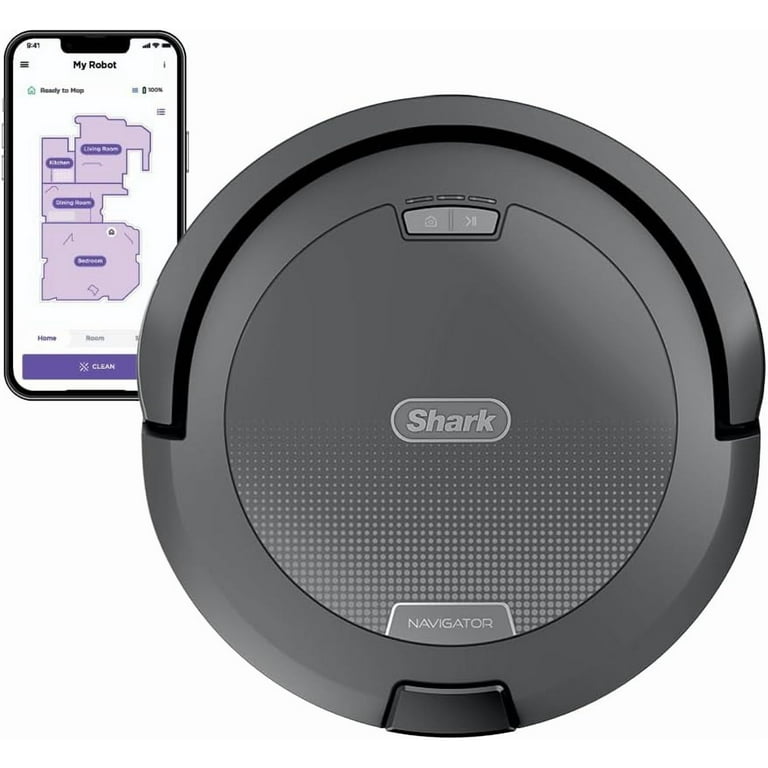
Some robots let you see the map on your phone. You can even tell the robot which rooms to clean. This makes cleaning more convenient.

How Do Robot Vacuums Avoid Obstacles?
Obstacle avoidance is very important. Robots must not crash into furniture or walls. They use several tools to do this:
- Bump Sensors
- Infrared or Ultrasonic Sensors
- Cliff Sensors
Bump Sensors
These sensors feel when the robot hits something. When the robot bumps, it stops and changes direction. This prevents damage to the robot and your furniture.
Infrared Or Ultrasonic Sensors
These sensors detect objects before the robot hits them. Infrared sensors use light, and ultrasonic sensors use sound waves. They help the robot turn or slow down near objects.
Cliff Sensors
Cliff sensors detect edges like stairs. The robot sends signals downward. If the signal does not bounce back, it means a drop is ahead. The robot stops to avoid falling.
How Do Robot Vacuums Plan Their Path?
Good path planning helps the robot clean faster and better. Here are some ways robots plan their route:
- Divide the room into sections
- Use straight lines to cover each section
- Remember where they have cleaned
- Return to the charging base when battery is low
Robots with advanced navigation create a cleaning plan. They follow it to cover all areas. This saves time and battery power.
The Role of Sensors in Navigation
Sensors are the robot’s eyes and ears. They give information about the surroundings. Without sensors, the robot would just bump around randomly.
Different sensors work together. They help the robot understand walls, furniture, drops, and open spaces. This helps the robot decide where to go next.
Summary Table of Navigation Types
| Navigation Type | How It Works | Pros | Cons |
|---|---|---|---|
| Random Navigation | Moves randomly, changes direction on bump | Simple and cheap | Inefficient, misses spots |
| Infrared Sensors | Uses light to detect objects | Avoids obstacles and cliffs | Less precise, affected by sunlight |
| LIDAR (Laser) | Scans room with laser to build map | Accurate, works in dark | More expensive |
| Camera-Based | Uses cameras to see and map | Good object recognition | Needs good lighting |
| Mapping & Memory | Stores map, plans efficient path | Cleans faster, covers all areas | Requires more memory and power |
Frequently Asked Questions
How Do Robot Vacuum Cleaners Find Their Way Around?
Robot vacuums use sensors and cameras to map the room layout. They plan routes to clean efficiently without bumping into objects.
What Types Of Sensors Help Robot Vacuums Navigate?
They use infrared, laser, and cliff sensors to detect walls and stairs. These sensors prevent falls and guide movement around obstacles.
Can Robot Vacuums Clean In The Dark?
Yes, most robot vacuums rely on infrared or laser sensors, which work well without light. Cameras may need some light but are usually supplemented by other sensors.
How Do Robot Vacuums Avoid Bumping Into Furniture?
They detect obstacles with sensors that sense distance and impact. When close, they slow down or change direction to avoid collisions.
Conclusion
Robot vacuum cleaners use many tools to find their way. Sensors, lasers, cameras, and memory help them navigate. Some move randomly. Others plan their route carefully.
Good navigation means better cleaning and less time spent. It also helps avoid damage to furniture and the robot itself. Knowing how robot vacuums navigate helps you choose the right one for your home.
Next time you see a robot vacuum moving around, remember it is using smart technology. It senses, plans, and cleans all by itself.