Vacuum cleaners help us keep our homes clean. But not all vacuum cleaners work the same way. Two common types are cyclonic and non-cyclonic vacuum cleaners. Many people wonder what makes them different. In this article, we will explain the main differences. You will learn how each type works and which one might be better for you.
How Does a Vacuum Cleaner Work?
Before we talk about the differences, let’s understand how vacuum cleaners work. A vacuum cleaner uses suction to pull dirt and dust from floors and surfaces. Inside, a motor creates a strong airflow. This airflow carries the dust into a container or bag. This way, your home stays clean.
But the way vacuum cleaners collect dust changes. This is where cyclonic and non-cyclonic types come in.
What Is a Cyclonic Vacuum Cleaner?
A cyclonic vacuum cleaner uses a special method to separate dust from the air. It spins the air very fast in a circle. This spinning creates a strong force called centrifugal force. The force pushes dust and dirt out of the airflow and into the dust container. The clean air then goes out of the vacuum.
This spinning action helps keep the filter cleaner for longer. It also stops the dust from clogging the filter. So, cyclonic vacuums usually keep strong suction power for a longer time.
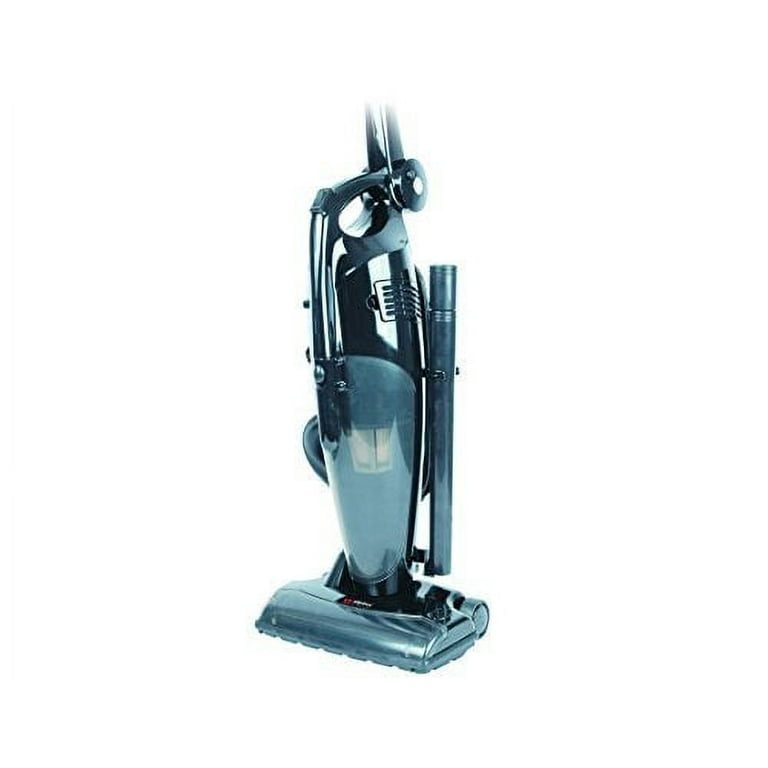
What Is a Non-Cyclonic Vacuum Cleaner?
A non-cyclonic vacuum cleaner works in a simpler way. It uses suction to pull dirt and dust directly into a bag or container. The air passes through a filter, which catches the dust. The clean air then leaves the vacuum.
But the dust and dirt can block the filter quickly. When the filter gets clogged, the suction power becomes weaker. This means the vacuum may not clean as well after some time.
Main Differences Between Cyclonic and Non-Cyclonic Vacuums
| Feature | Cyclonic Vacuum Cleaner | Non-Cyclonic Vacuum Cleaner |
|---|---|---|
| Dust Separation | Uses spinning air (cyclone) to separate dust. | Relies on filters or bags to catch dust. |
| Filter Clogging | Less clogging due to cyclone action. | Filters clog faster with dust and dirt. |
| Suction Power | Stays strong longer because of less clogging. | Weakens over time as filters clog. |
| Maintenance | Easy to empty dust container, less filter cleaning. | Bags need to be changed or filters cleaned often. |
| Cost | Usually more expensive due to technology. | Often less expensive and simpler design. |
| Noise Level | Can be noisier because of spinning air. | Generally quieter but varies by model. |
| Dust Container | Uses a clear dust bin that can be emptied. | Uses disposable bags or reusable filters. |
Advantages of Cyclonic Vacuum Cleaners
- Strong suction: Keeps suction power even when full.
- Easy to clean: Dust container can be emptied quickly.
- Good for allergy sufferers: Filters stay cleaner, reduce dust release.
- No bags needed: Save money on replacement bags.
- Clear dust bin: You can see when it is full.

Advantages of Non-Cyclonic Vacuum Cleaners
- Lower price: Usually cheaper to buy.
- Quieter operation: Some models make less noise.
- Simple design: Easy to use and repair.
- Good for light cleaning: Works well for small homes or light dirt.
Disadvantages of Cyclonic Vacuum Cleaners
- Higher cost: More money needed upfront.
- Noisier: Spinning air can be loud.
- Dust container can be messy: Emptying may release dust.
Disadvantages of Non-Cyclonic Vacuum Cleaners
- Filter clogs fast: Suction power drops quickly.
- Need to buy bags: Extra cost for replacement bags.
- Not good for allergies: Dust may escape from bags or filters.
Which One Should You Choose?
Choosing between cyclonic and non-cyclonic vacuum cleaners depends on your needs.
If you want:
- Strong, long-lasting suction
- Easy cleaning without buying bags
- A good choice for allergy sufferers
Then a cyclonic vacuum cleaner is better for you.
If you want:
- A lower-cost vacuum
- Quieter cleaning
- Simple and easy to use machine
Then a non-cyclonic vacuum cleaner may work well.
How to Care for Your Vacuum Cleaner
Proper care helps your vacuum cleaner last longer. Here are some tips:
- Empty dust containers or bags regularly.
- Clean or replace filters as the manual says.
- Check for blockages in hoses and brushes.
- Use the right attachments for different surfaces.
- Store your vacuum in a dry place.
Summary
Both cyclonic and non-cyclonic vacuum cleaners clean your home. The difference is how they handle dust. Cyclonic vacuums spin air to separate dust and keep suction strong. Non-cyclonic vacuums use bags or filters and may lose power faster. Cyclonic types cost more but are easier to maintain. Non-cyclonic types are cheaper but need more care.
Think about your budget and cleaning needs. Choose the vacuum cleaner that fits your home best.
Frequently Asked Questions
What Is A Cyclonic Vacuum Cleaner?
A cyclonic vacuum uses spinning air to separate dust and debris. It keeps the filter cleaner longer. This means better suction for a longer time.
How Does A Non-cyclonic Vacuum Work?
Non-cyclonic vacuums use bags or filters to trap dust. Air passes through, and dust sticks to the filter. They may lose suction as the bag fills.
Which Vacuum Has Better Suction Power?
Cyclonic vacuums usually keep strong suction longer. Non-cyclonic vacuums can lose suction as dust builds up. So, cyclonic models are often more consistent.
Are Cyclonic Vacuums Easier To Clean?
Yes, cyclonic vacuums have no bags to change. Dust collects in a bin you can empty easily. This saves time and cost on replacements.