Many people want clean homes. They want air that feels fresh. Allergens can make life hard. Dust, pollen, pet dander, and mold spores cause allergies. Can HEPA vacuum cleaners help? Are they good at removing allergens? Let’s find out.
What Are Allergens?
Allergens are tiny things that make people sneeze or cough. They come from many places. Common allergens include:
- Dust mites
- Pollen
- Pet dander
- Mold spores
- Smoke particles
These tiny particles float in the air or settle on floors. When people breathe them in, they can get itchy eyes or a runny nose. Some people have asthma, and allergens can make it worse.
What Is a HEPA Filter?
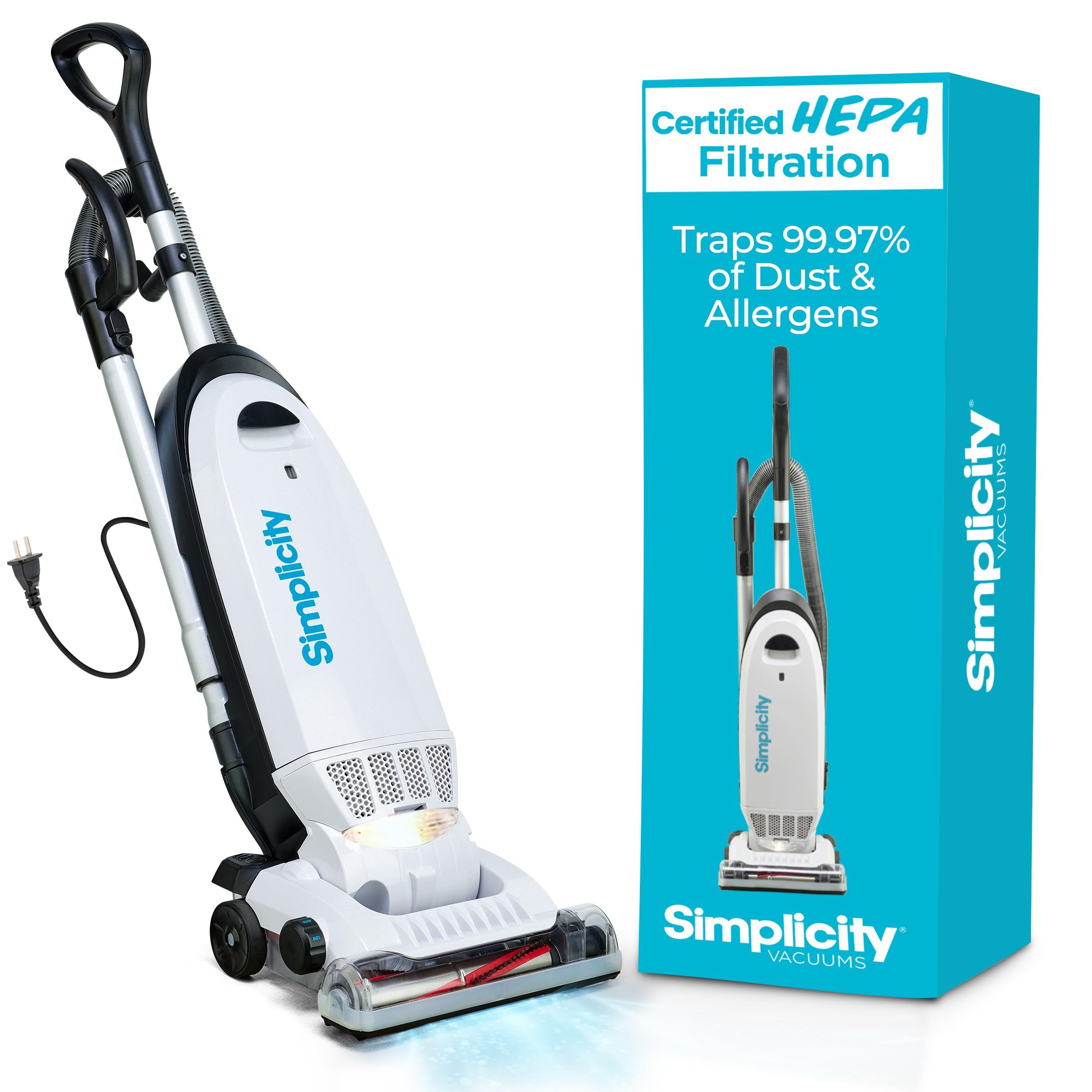
HEPA stands for High-Efficiency Particulate Air. It is a special kind of filter. HEPA filters trap very small particles. They catch dust and pollen that regular filters miss.
A true HEPA filter can trap particles as small as 0.3 microns. That is very tiny! To compare, a human hair is about 70 microns wide. HEPA filters remove 99.97% of particles this size.
This means HEPA filters are very good at cleaning the air. Many vacuum cleaners now use HEPA filters to trap allergens.
How Do HEPA Vacuum Cleaners Work?
Vacuum cleaners suck up dirt and dust from floors and carpets. Inside, the dirt goes through the HEPA filter. The filter traps tiny particles. Clean air comes out.
Regular vacuum cleaners often blow dust back into the air. This can make allergies worse. HEPA vacuums keep dust inside the machine. This stops allergens from escaping.
Some vacuums also have sealed systems. This means all air goes through the HEPA filter. No dust leaks out. This is very important for allergy sufferers.
Are HEPA Vacuum Cleaners Effective Against Allergens?
The short answer: yes. HEPA vacuum cleaners are good at trapping allergens. They remove dust mites, pollen, and pet dander from floors and carpets. This lowers the amount of allergens in the home.
Studies show HEPA vacuums reduce allergy symptoms. They help people breathe easier. Regular vacuuming with a HEPA filter can improve air quality.
But not all HEPA vacuums are the same. Some have better filters. Some have better seals. Some are more powerful. The vacuum’s design matters a lot.
What to Look for in a HEPA Vacuum Cleaner
When buying a HEPA vacuum, keep these points in mind:
| Feature | Why It Matters |
|---|---|
| True HEPA Filter | Only a true HEPA filter traps 99.97% of tiny particles. |
| Sealed System | Prevents dust from leaking back into the air. |
| Strong Suction Power | More power means better dirt and allergen removal. |
| Easy to Clean | Filters and bags must be cleaned or changed often. |
| Brush Types | Special brushes help remove pet hair and dust better. |
Limitations of HEPA Vacuum Cleaners
HEPA vacuums help a lot. But they are not perfect. Some allergens live in places vacuums cannot reach. For example:
- Allergens in the air above the floor
- Allergens inside bedding or furniture
- Mold in walls or ceilings
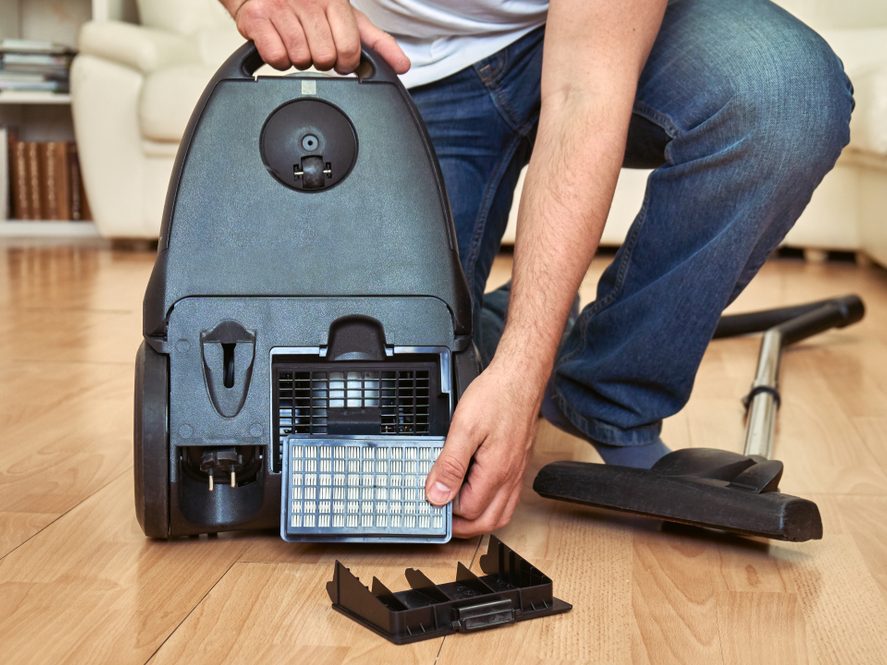
Also, if you do not clean or replace HEPA filters regularly, they become less effective. A dirty filter lets allergens escape.
Vacuuming alone is not enough. Other actions help reduce allergens:
- Use air purifiers with HEPA filters
- Wash bedding weekly in hot water
- Keep humidity low to stop mold growth
- Keep pets clean and groomed
Tips for Using HEPA Vacuum Cleaners Well
To get the best results, follow these tips:
- Vacuum floors and carpets at least twice a week.
- Use vacuum attachments for furniture and curtains.
- Empty or replace vacuum bags often.
- Clean or replace HEPA filters as the manual says.
- Vacuum slowly to catch more dust and allergens.
- Keep pets off carpets if possible.
Frequently Asked Questions
What Makes Hepa Vacuum Cleaners Effective Against Allergens?
HEPA vacuums trap tiny particles like dust and pollen. Their filters capture 99. 97% of allergens, keeping the air cleaner.
Can Hepa Vacuums Reduce Allergy Symptoms At Home?
Yes, HEPA vacuums remove allergens that cause sneezing and itching. Regular use helps lower allergy triggers in carpets and floors.
How Often Should I Change A Hepa Vacuum Filter?
Change the filter every 6 to 12 months. A clean filter keeps the vacuum working well and captures allergens better.
Do Hepa Vacuums Remove Pet Dander Effectively?
HEPA filters trap pet dander, which is a common allergen. Using these vacuums helps reduce pet-related allergy problems indoors.
Conclusion
HEPA vacuum cleaners are effective against many allergens. They trap tiny dust mites, pollen, and pet dander. This helps people with allergies feel better.
But remember, no vacuum cleans everything. Use HEPA vacuums as part of a clean home routine. Combine vacuuming with other steps to reduce allergens.
Choose a vacuum with a true HEPA filter and sealed system. Clean it often. With care, HEPA vacuums can make your home air cleaner and healthier.